One of the things I’ve noticed when talking to business owners about their people is that development can become surprisingly frustrating.
You want to invest in someone. You can see what they’re capable of. Maybe you’ve offered them training, suggested a course or started talking about where their career could go next, and instead of being excited, they don’t seem particularly interested.
Sometimes they’ll say it quite directly: “I’m happy doing what I’m doing.”
I can completely understand why that can be difficult for a business owner, particularly if learning and development has been an important part of your own career. It’s very easy to assume that everyone should want to keep progressing in the same way.
But I’ve seen this with clients more than once, and I don’t think reluctance around development always means what we think it means.
Sometimes people aren’t resisting development at all. They’re resisting our version of development.
And sometimes there is something else going on that we need to understand before we decide what to do next.
Before trying to persuade someone to attend another course or complete another development plan, I’d start with a conversation. What does development actually mean to them?
We can very easily bundle lots of different things together when we talk about professional development. Learning new skills, getting promoted, moving into management, attending courses and building a career can all become part of the same conversation.
But the employee may not see those things in the same way.
I’ve worked with plenty of people who are very good at what they do and don’t particularly want the next promotion. That doesn’t necessarily worry me. In fact, businesses need experienced people who enjoy their work and are happy doing it well. If everybody wanted to keep moving upwards, we’d have a different sort of problem.
What I would be more interested in is whether the person is still willing to learn.
You don’t have to want a management role to keep developing. You don’t have to have a five-year career plan. And development doesn’t have to mean completing a qualification or spending a day sitting in a training room.
It might mean becoming better at something you already do, learning a new system, mentoring someone, understanding a new piece of technology or finding a better way to solve a problem that keeps coming up.
So when somebody tells me they aren’t interested in development, I’d be curious about what they think they’re actually saying no to.
We have a tendency to think of careers as something that should keep moving upwards. You become good at one job, move into the next one and eventually perhaps become a manager.
But careers don’t always work like that, and they don’t need to.
Some people reach a point where they genuinely enjoy the work they’re doing. They know the role well, they add value to the business and they don’t particularly want more responsibility. There may also be things happening outside work that are more important to them at that point in their life, and that’s okay.
Where businesses can get caught out is confusing not wanting a promotion with not needing to develop.
You might have an experienced employee who has been doing their job for ten years. They know your customers, your systems and all the little bits of organisational knowledge that nobody thought to write down. They might have absolutely no desire to manage a team.
That doesn’t mean their development has finished.Their next stage might not be upwards at all. It could be sideways or deeper.
Perhaps they could mentor someone less experienced, become the internal expert in a particular area, work on a project, improve a process or develop skills that make them even better at the work they already enjoy.
I think career development becomes much more useful when we stop assuming it always has to lead to another job title.
This is one I’d be particularly careful with. If somebody who used to be curious and engaged suddenly has no interest in learning anything new, I’d want to understand what’s changed.
They may simply be full. When people are stretched, another development opportunity doesn’t necessarily feel like an opportunity. It can feel like another thing they’re expected to fit into an already very full week.
I’ve seen this particularly with managers. They still have their technical work to do, and then we’ve added managing people, meetings, recruitment, performance conversations, planning and all the other things that come with being a manager. We’ve written before about how to support middle managers and build their capability, because sometimes what looks like resistance to development is really a manager who already feels as though their job is 130% full.
Then we tell them we’d also like them to attend leadership training. From the business’s perspective, we’re supporting them. From their perspective, we’ve just added something else.
That doesn’t mean we stop developing them. In fact, they may need that support more than ever. But we might need to think about workload, priorities and how that development is being delivered. Leader wellbeing and managing stress are part of this conversation too, because sometimes we need to create some capacity before we can reasonably expect someone to take on more.
Sometimes the more useful conversation is not, “Why won’t you do the training?”
It might be, “What would need to change for you to have the headspace to learn something new?”
You may get a very different answer.
This is where I think businesses need to find a reasonable middle ground. Employees don’t have to share our personal ambitions for their careers. We can offer opportunities, encourage people and have good career conversations, but ultimately they do have some choice about what they want their working life to look like.
At the same time, the business has to think about the capabilities it needs. And those two things won’t always line up perfectly.
This is also why I don’t think development should sit separately from your business plan. What is changing in your market? What capabilities will you need in another 12 months or three years? Which skills are becoming less important, and which ones are becoming more important?
Once you understand that, the development conversation becomes much easier.
Instead of saying, “We want everybody to complete a development plan,” you can explain why a particular capability matters.
That context can make a big difference. People are more likely to engage when they understand what is changing, why it affects their role and how learning something new will actually help them, rather than feeling like they are simply completing an HR process.

Development doesn’t have to mean formal training. Sometimes it’s helping people build confidence with the tools and skills changing their role.
We can’t really have this conversation now without talking about AI. When I first wrote about employees resisting development, AI wasn’t part of most everyday workplace conversations in the way it is now. That has changed very quickly.
What often happens with new technology is that we talk about it at a very broad level. We say that everyone needs to learn AI, or that jobs are going to change, but for the person sitting in front of us that can feel quite vague and, sometimes, a little threatening.
I think a better place to start is with the actual role.
Which parts of this person’s work are changing? Which tools might genuinely make their job easier? Where do they need to understand the risks? What still relies on their judgement and experience?
For some people, the resistance may not be about learning at all. It may be anxiety about what the learning represents. If someone has been doing a role successfully for a long time and we suddenly start talking about AI, they may hear, “The job you’ve been good at for years is about to disappear.”
That’s quite different from, “There are some new tools that could help you do parts of your job more easily, and we’d like to work through those with you.”
I’ve also seen businesses invest in AI tools and assume that providing access and perhaps some initial training will be enough. But adoption doesn’t really work like that. People need confidence, practical examples, support from their managers and opportunities to learn from each other. And if people aren’t using the tools, it’s worth understanding what’s getting in the way rather than assuming they’re simply resistant to change.
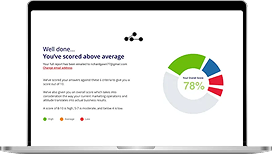
That’s really the thinking behind our AI Adoption Assessment. We look at what is happening across the business — including leadership, employee capability, adoption, learning and the support people are receiving — so you can work out what people actually need rather than jumping straight into more training.
Development in this environment isn’t about turning everybody into an AI expert. It’s about helping people stay capable and confident as the work changes. And that applies well beyond AI. Systems change. Customer expectations change. Regulations change. Industries change.
You can be very good at your job and still need to keep learning how to do that job in a changing environment.
Sometimes people aren’t saying, “I don’t want to learn.” They’re saying, “I’ve learned plenty. I’d quite like the opportunity to use some of it.”
I think businesses can become very focused on the input side of development. How many courses did somebody attend? Did they complete their development plan? How many hours of training did we provide?
But development really needs to change something. Perhaps the person could lead a small project. They might solve an existing business problem, try a different approach with a customer or take responsibility for improving a process.
There is a big difference between knowing something and having the confidence and opportunity to use it. Sometimes the next development opportunity isn’t another course. It is giving someone the chance to have a go.
This is also why I often encourage people to do one small development activity each month. It could be listening to a podcast, reading an article, attending a networking group or learning about something happening in their industry. It doesn’t have to be formal or expensive to be useful.